
Droppings
Rodents leave behind faecal droppings around 70 times per day. Look in food and storage areas where rats and mice tend to hide.
How to spot a rodent problem early, and how to keep rodents out.
The thought of a four-legged pest scurrying across your kitchen floor should be incentive enough to invest some time learning how to exclude rodents now, and not wait until it is too late. Rodent problems can quickly become unmanageable and pose a threat to health and quality of life.
From tracking salmonella and Hantavirus to damaging food items, wires or insulation, there are several negatives to a rodent infestation. This simply reinforces the need for exclusionary tactics. Smart prevention and the help of a professional rodent control expert can help to make rodents a non-issue this winter.
Know exactly what to look out for as rodents start making their way indoors in search of warmth and food.
Rodents leave behind faecal droppings around 70 times per day. Look in food and storage areas where rats and mice tend to hide.
Mouse urine has the ability to cause allergies in some children. Trails can also attract more mice, and are often found along walls or the floor.
A sure-fire sign that your premises are experiencing some type of rodent infestation.
When rodents can’t get in, they can’t cause problems — this should be a key part of your maintenance plan.
Rodents, particularly mice, can create some angst during the cooler months, as they move into walls, attics and furniture seeking warmth and food. In some cases they can appear in large numbers, particularly if their normal resting places have been disturbed. You can typically find evidence of them through droppings, urine trails, gnaw marks on food boxes, and scampering and rustling sounds — particularly at night.
Rodents present serious health risks, as they can carry a variety of diseases such as the potentially fatal Hantavirus. They can also transport bacteria such as salmonella into your food.
Food and water are the primary draw for rodents moving in, and premises near large water sources can be particularly badly affected. It would be very difficult to remove food entirely, but you can seal it in rodent-proof containers such as plastic bins and metal canisters.
One step that goes a long way is inspecting the property for gaps and holes. Mice can squeeze through holes the size of a coin, so be thorough. Start in the kitchen, looking behind cabinets and appliances, then check closets (especially corners), around doors, under sinks, around drains and where floors and walls join. Don’t forget crawl and attic spaces.
Seal holes with materials rodents can’t gnaw through, such as hardware cloth, cement or metal sheeting. Seal any gap the size of a pencil or larger with plenty of caulking or other sealant.
You can also discourage rodents outdoors: keep nesting materials and shelter sites such as woodpiles and vegetation away from the building, and keep the property free of debris, rocks and logs. Old cars and appliances should be removed.
As an added precaution, you may want to consider placing traps strategically to catch any rodents that do find their way inside. Clean up dead rodents and any droppings or urine with care, using latex gloves and a face mask — always consider the possibility of disease transmission. Hantavirus is one of the most serious diseases that can occur through rodent contact, due to the severe respiratory distress it causes.
If your rodent problem is already out of control, consider a professional pest control company such as IPM Environmental Services to send unwanted guests packing, and to make sure the removal of dead rodents and their droppings is thorough.
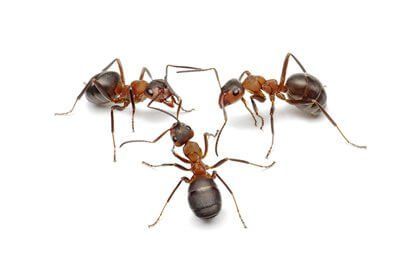
Bed bugs, cockroaches, fleas, ants and more — they can damage carpets and clothes, spoil food and carry illnesses.
Read the guide →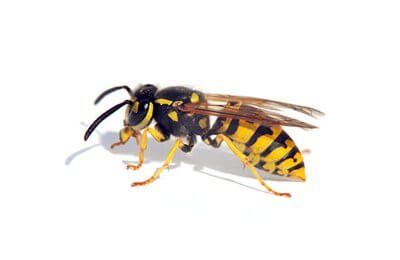
Wasps, houseflies, moths and more — some sting, others contaminate food and surfaces or damage fabrics.
Read the guide →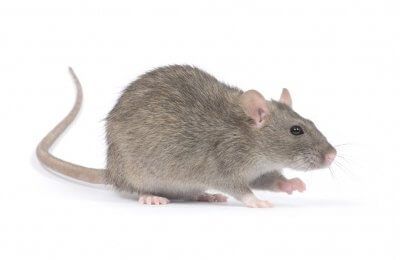
Rats and mice — droppings, urine trails and gnaw marks are the calling cards to look for.
You are here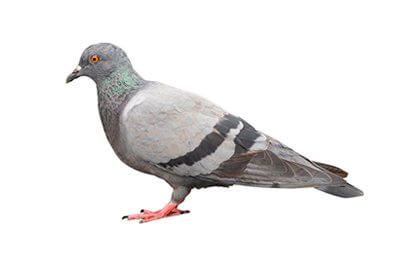
Pigeons and other pest birds carry hazardous pathogens and can damage buildings.
Read the guide →



We’ll help you quickly get the toughest pest problems under control.